

In modern food processing, citric acid is ubiquitous, enhancing the freshness and flavor of everything from refreshing beverages to sweet jams. Although this widely used ingredient has been recognized as safe, many people still harbor doubts about it. This article aims to demystify citric acid, answer all questions regarding this remarkable additive, and explore why the FDA classifies it as a safe food additive.
Understanding Citric Acid
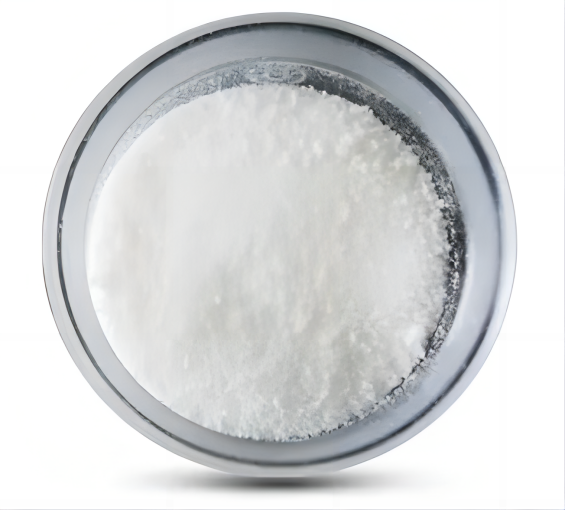
Citric acid is a natural organic acid with the chemical formula C6H8O7, typically appearing as colorless crystals or a white powder with a refreshing sour taste. It’s commonly found in citrus fruits and berries and plays a crucial role in plant metabolism by balancing energy and nutrition.
In modern industry, citric acid is primarily derived in two ways: from citrus fruits through juicing, filtering, and crystallization, or via fermentation from corn. In the latter method, corn starch is hydrolyzed into sugars, which are then fermented by specific microorganisms to produce citric acid.
Widely used as a food additive, citric acid serves as a flavor enhancer, preservative, and pH stabilizer. It enhances the taste of foods, extends shelf life, and improves product stability. Found in drinks, jams, and candies, citric acid is a safe, natural additive popular in many food products.
Addressing Safety Concerns
With its widespread use, some consumers have raised concerns about the safety of citric acid as a food additive. Although considered natural, there’s worry that high industrial usage might pose health risks. Some studies suggest that consuming large amounts over time might affect digestion or trigger allergic reactions. These concerns have heightened consumer awareness and scrutiny of ingredient labels, prompting a search for secure and natural alternatives. However, citric acid is generally acknowledged as safe in typical quantities.
Why Citric Acid is Considered Safe
The U.S. Food and Drug Administration (FDA) recognizes citric acid as “Generally Recognized As Safe” (GRAS). This classification results from thorough evaluation of citric acid’s metabolic pathways and biocompatibility, confirming its safety and effective absorption by the human body at reasonable consumption levels. Food scientists and industry experts universally support this consensus.
-
A Long History of Safe Use
Since the 19th century, citric acid has been a staple in food and beverages, with extensive historical use providing a reassuring track record of safety. -
Toxicity Studies
Safety evaluations on rats receiving various doses of citric acid over 28 days revealed no toxicity. Even at high doses of 5 grams per kilogram of body weight, no adverse effects were observed on their weight, food intake, or behavior. Major organs like the liver and kidneys showed no damage, further endorsing FDA’s confidence in its safety.
About Our Company
We specialize in the production and distribution of citric acid, delivering our products to over 50 countries, including the US, Europe, and Southeast Asia. With more than a decade of industry expertise, we provide high-quality citric acid to meet the diverse needs of the food, beverage, and pharmaceutical sectors.
Our services include customized solutions and professional technical support, ensuring clients find the perfect product for optimal results. For inquiries or more information, please reach out via email or visit our website. We are committed to serving your needs with dedication and excellence.