
What is a Caustic Dilution System?
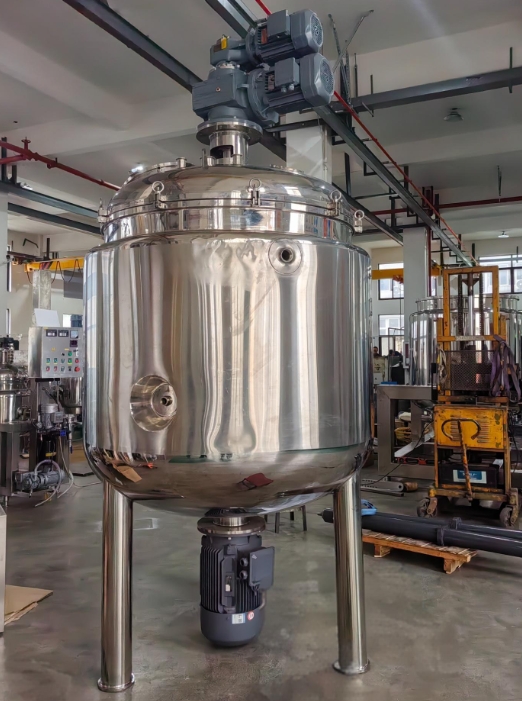
Key Components and Functionality
Understanding the components of a caustic dilution system helps you appreciate its efficiency:
- Storage Tanks: For concentrated caustic solutions.
- Water Supply System: Equipped with flow control.
- Mixing Chamber: Ensures uniform dilution.
- Sensors: Monitor temperature and concentration.
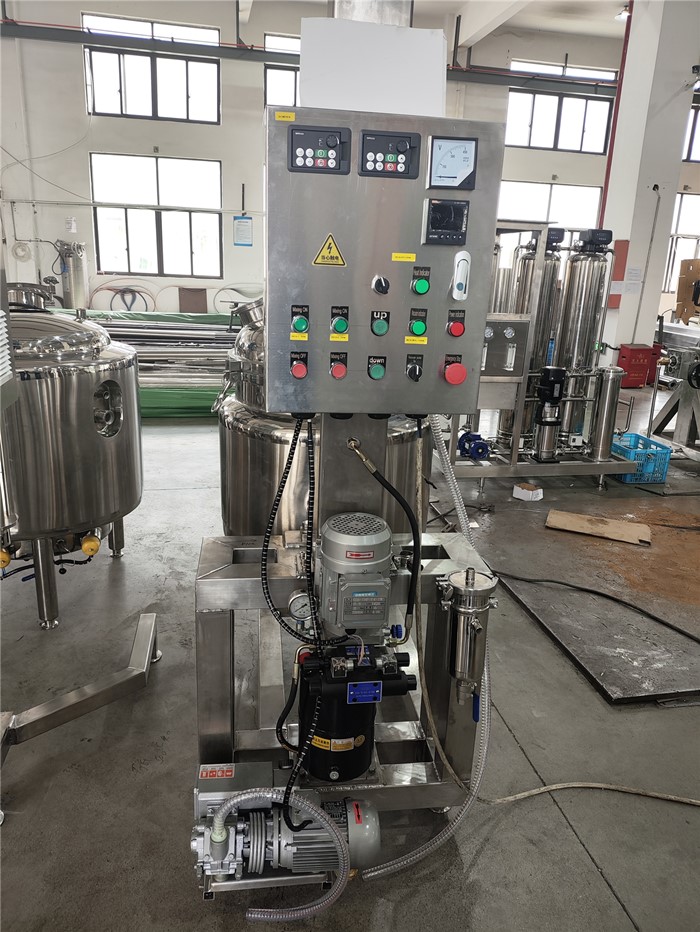
- Automated Control System: Oversees the entire process.
- Safety Features: Emergency shutdown and leak detection.
Caustic Dilution System Applications
1. Food Industry
In food processing, caustic dilution systems support:
- Clean-in-Place (CIP) systems for sanitization.
- Bottle and container cleaning.
- pH adjustment and waste neutralization.
2. Chemical Manufacturing
These systems are integral for maintaining precise chemical processes and ensuring product consistency.
3. Water Treatment
They are widely used for pH balancing and neutralization in water treatment facilities.
Safety and Quality Considerations
Modern systems are built with safety as a priority, incorporating features like:
- Automated concentration monitoring.
- Temperature control systems.
- Emergency shutdown protocols.
- Leak detection mechanisms.
How to Choose the Right System
When selecting a caustic dilution system, consider:
- Industry-specific requirements.
- System capacity and scalability.
- Supplier reputation and support.
Consult with we to ensure compatibility with your operations. For more details on similar systems, you can visit our product page.
Environmental Impact
Modern caustic dilution systems align with sustainable practices by:
- Minimizing chemical waste.
- Reducing resource consumption.
- Ensuring compliance with environmental standards.
FAQ: Common Questions About Caustic Dilution Systems
1. What industries benefit the most from these systems?
Industries like food processing, chemical manufacturing, and water treatment are the primary users.
2. How do I maintain a caustic dilution system?
Regular maintenance includes cleaning, sensor calibration, and periodic inspections for leaks or damage.
3. What should I do in case of a system malfunction?
Follow the manufacturer’s emergency protocols and consult with technical support for repairs.
Conclusion
Caustic dilution systems are essential for safe and efficient industrial processing. By adopting these systems, industries can enhance safety, ensure consistent quality, and promote sustainability. We can provide expert advice and tailored solutions to meet your specific needs. Feel free to contact us for more information.